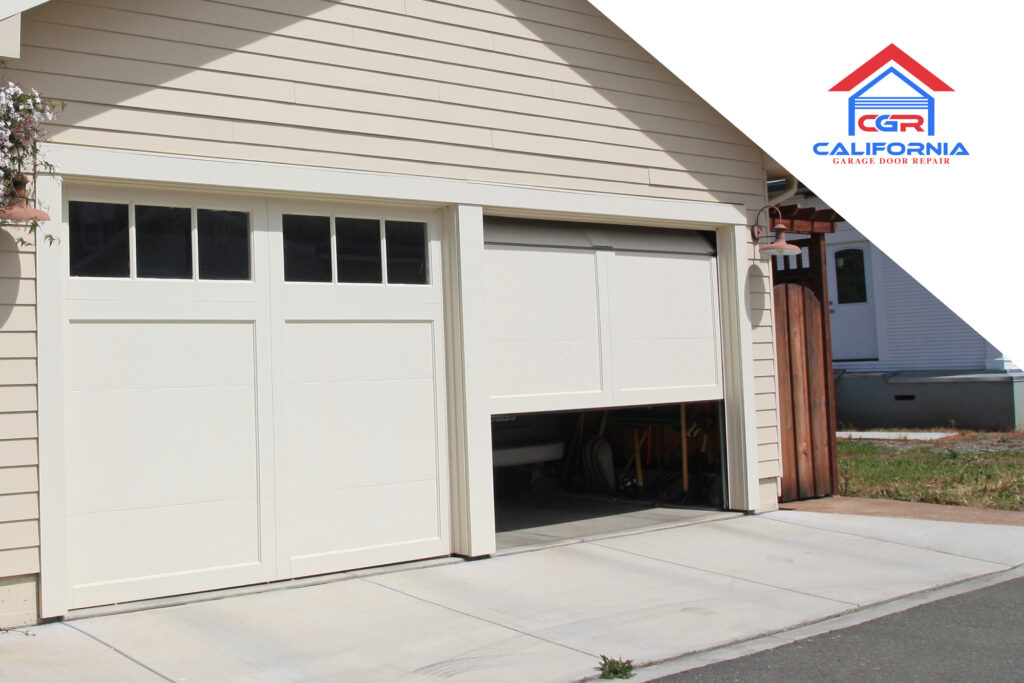
If your home’s garage door was manufactured after 1993, it’s equipped with a safety reverse mechanism. This technology uses photo eyes that detect any obstruction underneath the door, say a child, from getting hit by the door.
However, this safety feature can also malfunction, so you should know how to test garage door sensors before accidents happen.
In this post, we’ll walk you through the process of troubleshooting garage door sensors and when it’s best to call a garage door professional to fix it for you.
How do garage door sensors work?
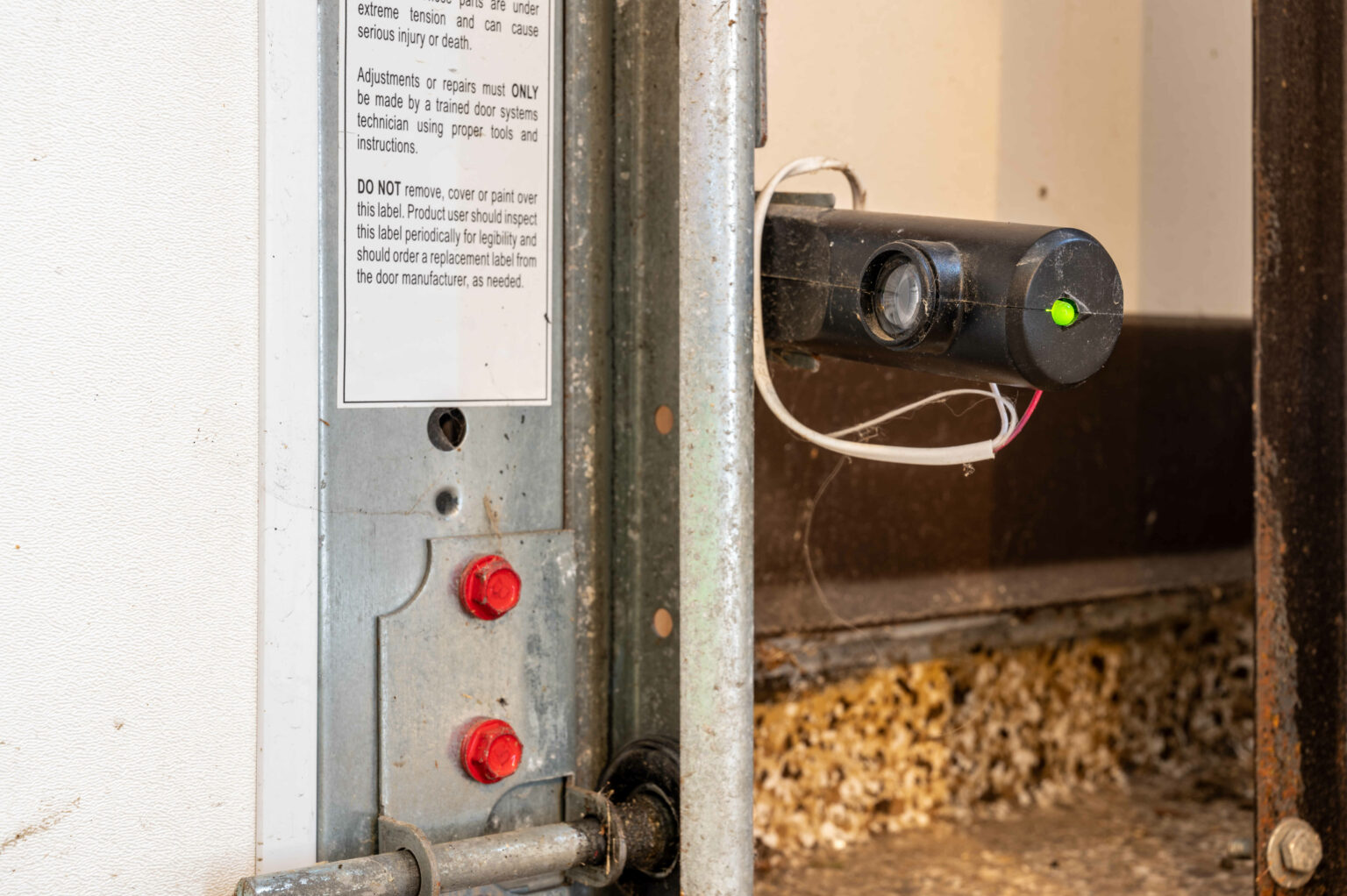
Garage door sensors are the small black boxes installed on each side of your door. The height of garage door sensors is usually around 4 to 6 inches from the floor, enough to detect small obstructions such as pets or random items.
One of these boxes emits a green light, which means the unit is on. Meanwhile, the other box has a red light, which indicates that there are no obstructions between the two sensors. It’s part of how your garage door works efficiently.
Basically, the goal is for these two sensors or “black boxes” to “see” each other. They emit an infrared light, which is like an invisible trip wire. When obstruction by an object or person, this will trigger your door’s reverse mechanism. It will stop the door from closing to prevent the risk of injury or damage to whatever is obstructing the sensors.
However, these sensors may malfunction at some point. And if you don’t know how to check garage door sensors for problems, you’ll be at risk of damage. And if you have a child or pet, it could lead to serious injuries.
Aside from that, malfunctioning sensors may cause your door to reverse randomly. This exposes you to the risk of theft or unauthorized access.
Why is my garage door sensor malfunctioning?
Is your garage door safety sensor not working? This is a very common garage door problem and quite easy to fix, too. Below, we’ll discuss how to check garage door sensors so you can do it at home regularly:
1. Lack of power
One of the main issues that cause garage door safety sensors to malfunction is lack of power. Your sensor might have been cut off from the power supply, or the wires may have been damaged.
2. Faulty alignment
A garage door’s misaligned sensors are also a very common mistake among homeowners. In this case, the sensor with the red light will not turn on. Lining up garage door sensors carefully will solve the issue.
3. Dirty sensor lenses
If a garage door sensor adjustment didn’t fix the problem, make sure you check if the sensors are dirty. Accumulated dirt and dust can also become an obstruction, which will cause the door to reverse wrongfully.
4. Moisture buildup
The safety sensors for garage doors will also malfunction if they get wet. It’s possible that you left the door open during a storm, or it’s been sprayed by a hose by accident.
5. Sunlight obstruction
Sun rays can also mess with your door’s photo lights, which may block the invisible trip wire they create. For this, installing a garage door sensor sunlight cover can solve the issue.
6. Pinched wires
Another reason garage door safety sensors are not working is pinched wires. This will cause the voltage to drop and lead to inconsistent operation of your sensors. Unlike other garage door sensor issues, this one is a bit technical and best handled by a technician.
At California Garage Door Repair, we can fix this problem and more. We can also provide garage door opener repair, if it’s the one causing your sensors to malfunction.
7. Damaged sensors
A garage door’s sensor typically lasts for about 4 to 5 years, a little more if it’s not exposed to harsh elements. At some point, your sensors will break down and require a full replacement.
As much as these are common garage door problems, don’t hesitate to call for professional garage door repair. This way, your sensors will be tuned up properly or replaced if they’re already damaged.
How do you test garage door sensors?
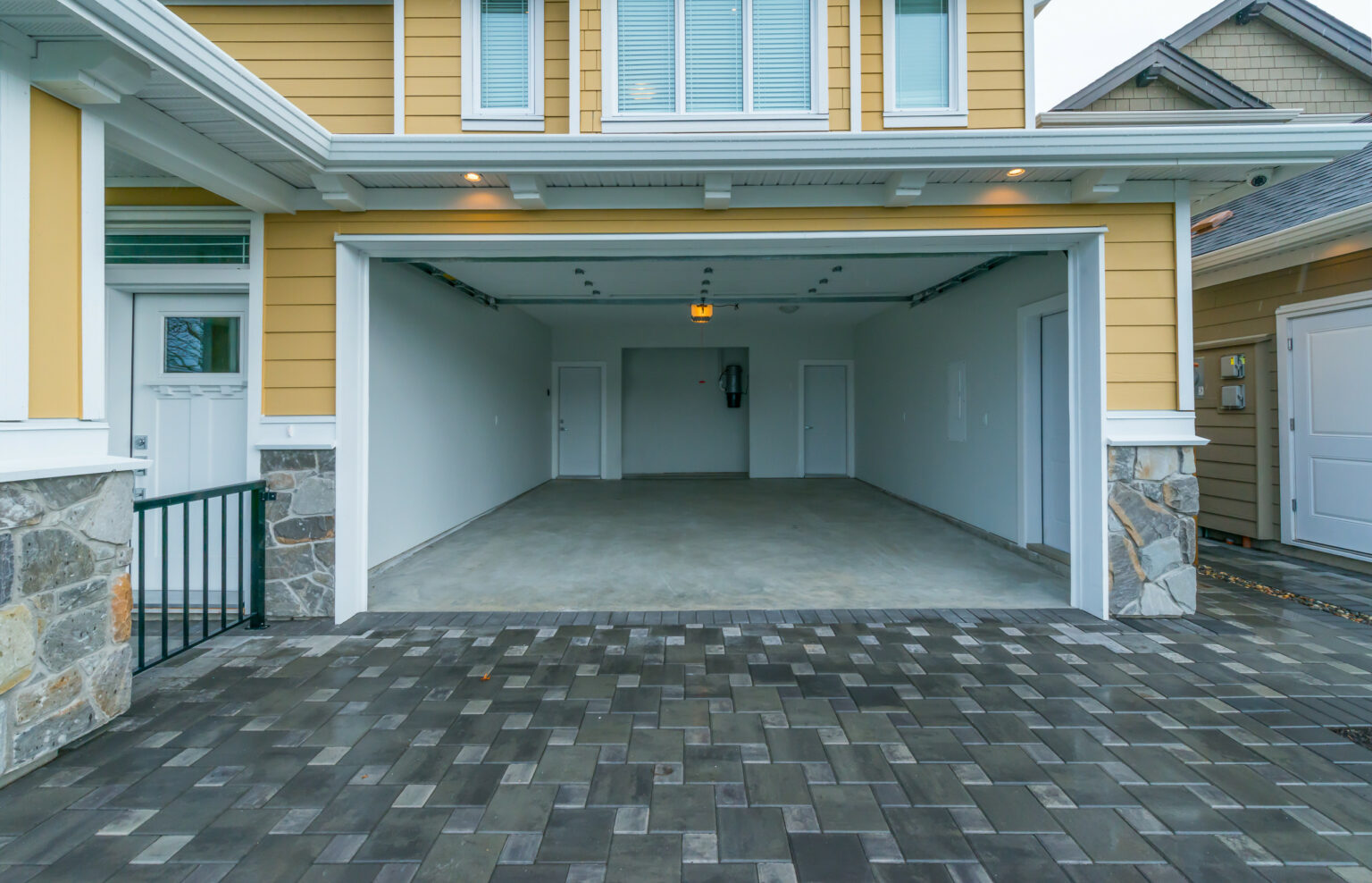
Before you wonder how to fix garage door sensors, let’s first discuss how to test it for problems. For this, we will explain two options: using physical objects or a multimeter.
How to test garage door sensors with physical obstruction
The easiest way to test your garage door obstruction sensor is to put an object along its way.
For example, get a block of wood, something that’s a foot long – nothing fancy. Place it down in front of the photo eye’s path and close your garage door. If your sensors are working fine, you’ll hear a click, and your door won’t close.
Aside from that, you can use smaller objects that don’t block the photo eye’s path directly. You can get a small block of wood and close your door. Once your door hits the object, the garage door auto-reverse should kick in right away.
If one of these tests fails, you should go ahead and check your doors for the possible culprits we discussed earlier. And if nothing works and your garage door light sensor still malfunctions, don’t hesitate to call a professional.
How to test garage door sensors with a multimeter
Now, this garage door sensors troubleshooting method is a bit technical and something that our technicians are trained to do. This is already the solution if your sensors are malfunctioning despite all troubleshooting efforts.
For this, we will test the garage door sensor wires to see if the electricity is flowing properly. Also, a multimeter will let us check if there’s enough electricity flowing into the wires. From there, we can diagnose if there are electrical issues that cause one or both garage door sensors not to light up.
So, if you want more in-depth troubleshooting for your garage door sensors, call us, and we will send our certified technicians right away.
Need more help with your garage door sensors? Call California Garage Door Repair today!
If all your troubleshooting and testing efforts don’t work, it’s time to call California Garage Door Repair. Our technicians will get to the root of the problem and restore your garage door’s functionality as soon as possible.
Aside from troubleshooting your door sensors, we can also do a new garage door installation. We also offer 24/7 service for any repairs, including roll up door repair for both residential and commercial properties.
As a locally and family-owned repair company, we provide the same quality of service as we would want for our own homes. Also, we respect your privacy and conduct the repairs in the least invasive way possible. Above all, our technicians will clean up after the repairs, ensuring that your garage door is ready for use.
So, if you’re looking for a reliable garage door repair service, California Garage Door Repair is the one to call. We are available 24/7 for any repairs, installation, or maintenance needs you have. Call us today or request a free quote!